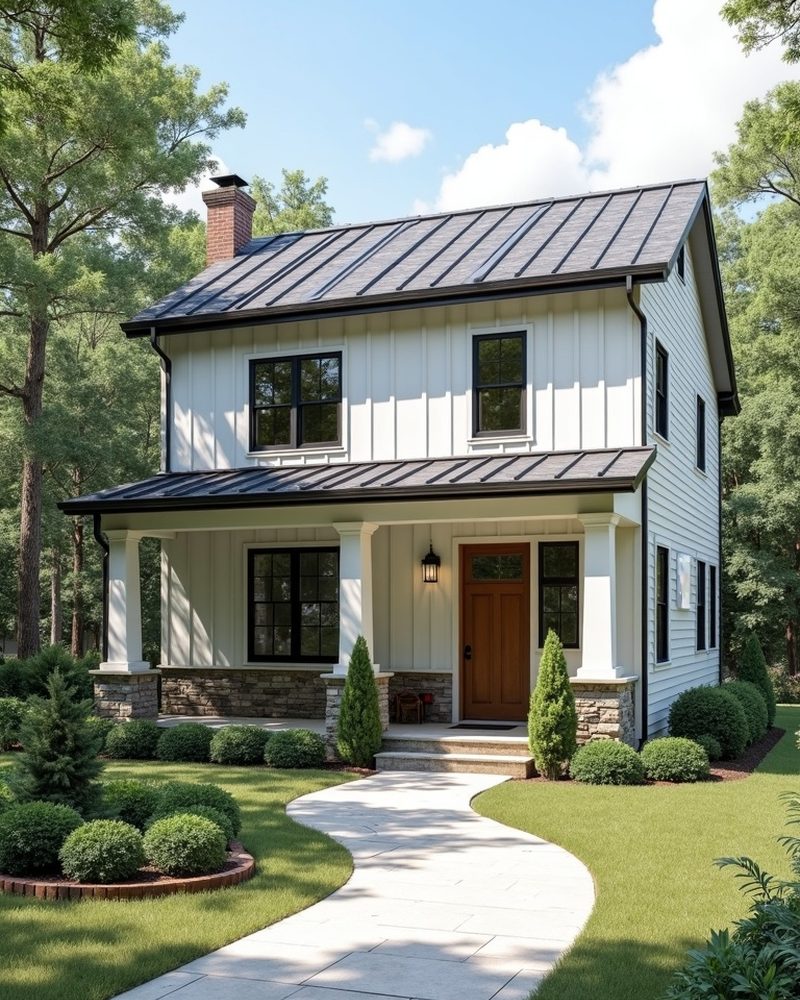
If you are thinking about buying or selling a home in Commerce GA, focusing on a clear set of practical priorities will help you make decisions that stand the test of time. This post lays out the local factors that matter most for Commerce GA real estate, with straightforward steps for buyers, sellers, and investors who want results in today's market and value that lasts into the future.
Start with neighborhood fit and infrastructure. Commerce GA's appeal often comes from its small town feel combined with convenient access to regional highways, shopping, and schools. For buyers, list your nonnegotiables like commute time, school preferences, lot size, and whether you want new construction or established homes. For sellers, highlight what makes your neighborhood attractive—proximity to major routes, recent public investments, or community amenities—and make those features visible in listings and property descriptions.
Know local pricing signals before making offers or setting a list price. Review recent comparable sales, days on market, and price trends for similar homes in Commerce GA. Buyers should focus on comps within the same subdivision or street to understand fair offers. Sellers should price to reflect current demand while leaving room for negotiation; an accurate price supported by local comps drives traffic and avoids price drops later.
Prioritize condition and perceived value. Small upgrades can produce outsized returns in Commerce GA, especially in kitchens, bathrooms, and curb appeal. Buyers should budget for inspections and realistic improvement costs. Sellers should consider targeted updates that buyers notice first: fresh paint, well-maintained landscaping, and clear, well-lit interiors that photograph well for online listings.
Understand financing and timing considerations. Interest rates, loan programs, and down payment options affect affordability for Commerce GA buyers. Work with a lender early to get preapproved and to explore programs that fit your goals. Sellers can benefit from knowing how financing trends shape buyer pools; choosing a closing timeline that aligns with buyers' loan processing can prevent delays and contract fall-throughs.
Inspection and repair strategies matter. Buyers should use inspection findings to negotiate repairs or price adjustments anchored in competitive local repair estimates. Sellers should decide whether to pre-inspect and address issues proactively or price a home so buyers can handle repairs after purchase. Clear disclosure and reasonable expectations about older systems will speed transactions.
Marketing and staging create advantage. In Commerce GA, professional photos, accurate floor plans, and thoughtful staging can be the difference between a quick sale and a stale listing. Tailor marketing to the audience for your property: families, first-time buyers, or investors. Buyers searching for homes for sale in Commerce GA respond to listings that clearly show lifestyle benefits—nearby parks, schools, or community events.
For investors, focus on fundamentals. Look at rental demand, neighborhood vacancy rates, and long term appreciation potential in Commerce GA. Properties near growing commercial corridors or well-maintained subdivisions often produce steadier cash flow and easier tenant placement. Always run conservative cash flow models and factor in local management or maintenance costs.
Be strategic about negotiation and contingencies. In today's market it helps to be prepared with a credible offer, a preapproval letter, and realistic contingency timelines. Sellers should evaluate offers not just on price but on contingency strength, financing type, and preferred closing dates. Clear communication and reasonable flexibility smooth many deals.
Keep an eye on local developments that matter. Zoning changes, school boundary adjustments, new commercial projects, or infrastructure improvements can influence property values in Commerce GA. Stay informed through local planning meetings, community news, or updates from your real estate team so you can respond to changes
